
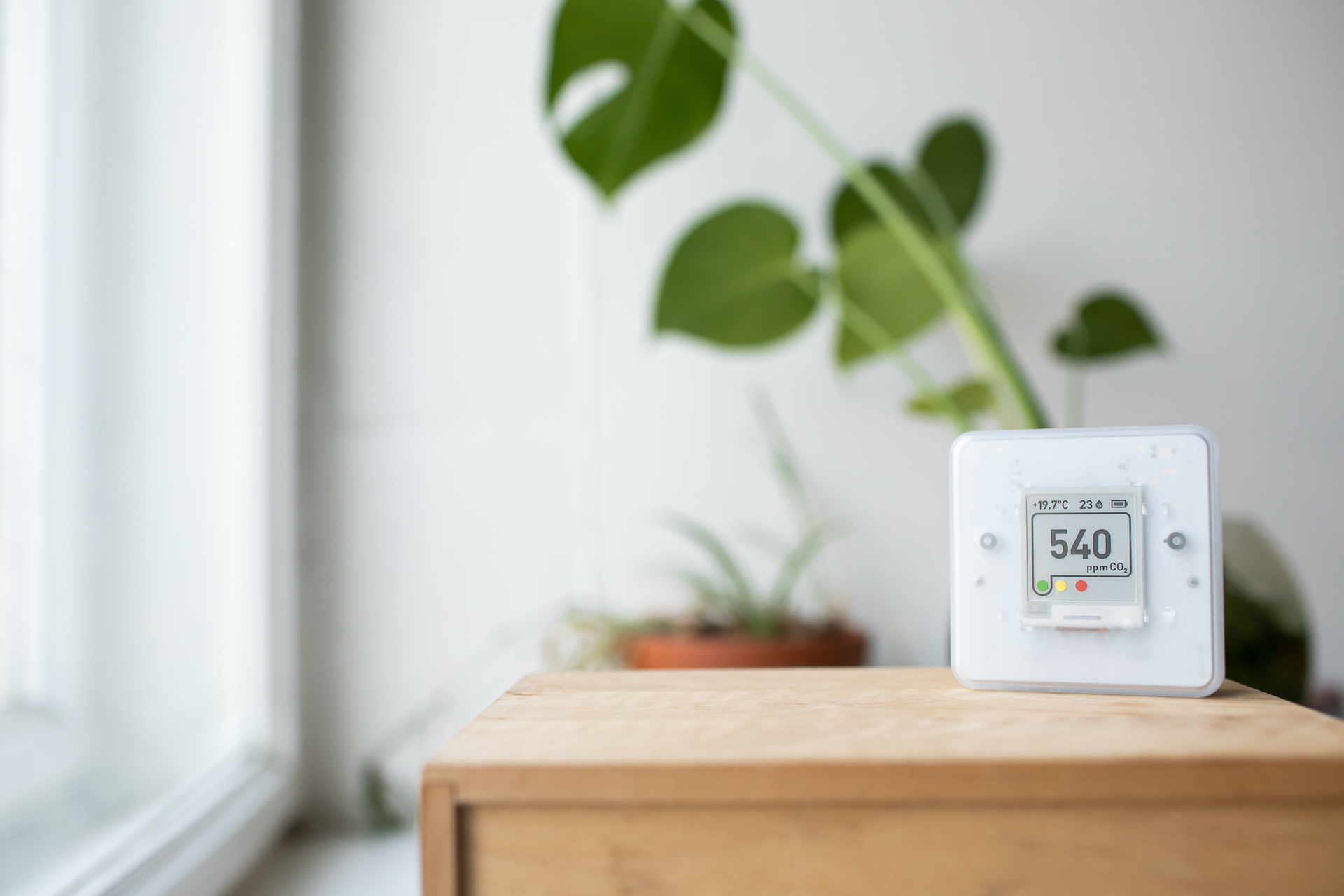
What’s really in the air you breathe and what homeowners can do about it?
If your home feels stuffy, dusty, or just “off,” it might not be your imagination—it could be your air. Indoor air quality has a huge impact on how we live and feel every day. And in 2025, it’s getting harder to ignore. After months of forest fire smoke blanketing much of Canada and drifting into major cities, more homeowners and landlords are starting to ask the same question: what exactly are we breathing indoors?
From VOCs and CO₂ buildup to humidity imbalances and fine particulate matter, poor air quality doesn’t just affect comfort—it can affect health, too. Headaches, fatigue, allergies, even long-term respiratory issues can often be traced back to air that’s not being properly filtered or circulated.
At Canopy mgmt, we see indoor air quality as part of the bigger picture: protecting your property and supporting the well-being of the people inside it. In this blog, we’ll break down the causes of bad indoor air, how to spot the signs, and what you can do—from swapping out filters to deep cleaning your HVAC systems—to help keep your home healthier, fresher, and ready for whatever the weather (or wildfire season) brings.
What causes poor indoor air quality?
Bad air doesn’t always come from outside. In fact, many of the biggest air quality culprits are already inside the home.
From everyday household products to poor ventilation and outdated systems, indoor air can collect pollutants over time—especially in sealed-up spaces during winter or wildfire season. Here are some of the most common causes of poor indoor air quality:
- Volatile Organic Compounds (VOCs): Found in paint, cleaning supplies, furniture, and even air fresheners. These chemicals release harmful gases into the air, especially in enclosed or poorly ventilated spaces.
- Carbon Dioxide (CO₂): Naturally produced by people breathing indoors, but when it builds up in sealed rooms with limited airflow, it can cause fatigue, headaches, and poor concentration.
- Particulate Matter: This includes dust, dander, pollen, mould spores, and smoke particles. Especially after recent forest fires in Canada, these microscopic pollutants have become harder to avoid—even indoors.
- Humidity Imbalances: Air that’s too dry or too humid creates problems. Dry air can irritate skin and lungs, while excess humidity encourages mould growth and dust mites.
Even something as routine as cooking or burning candles can affect home indoor air quality testing results. When all these small sources add up, they can have a surprisingly big impact—especially for children, seniors, or anyone with respiratory conditions.
Signs your indoor air might not be healthy
Not all air quality issues are obvious. Sometimes, the signs creep in slowly—until one day your home just doesn’t feel right.
Here are some common red flags that your indoor air quality might need attention:
- Constant dust buildup: If you’re wiping surfaces often and still seeing dust collect quickly, your air may be full of particulate matter.
- Unexplained allergies or irritation: Frequent sneezing, dry eyes, scratchy throat, or coughing (especially when you’re indoors) can all point to poor air quality.
- Lingering smells: Musty, stale, or chemical smells that stick around—especially in basements or closed rooms—can signal a ventilation problem or VOC buildup.
- Foggy windows or excess moisture: High humidity indoors isn’t just uncomfortable—it’s a warning sign. Mould, mildew, and even structural damage can follow.
- Headaches or fatigue: Elevated CO₂ levels in poorly ventilated areas can make you feel sluggish, foggy, or even dizzy.
Think of your home as a living, breathing space. When the air is off, everything feels off. That’s why it’s so important to understand how to test indoor air quality in home environments—and to take action early when something doesn’t feel right.
What you can do to improve indoor air quality
Improving your indoor air quality doesn’t require a full home renovation—but it does mean building better habits, using the right tools, and staying consistent.
Here’s where to start:
1. Change your furnace and HRV/ERV filters regularly
Your HVAC system is your home’s first line of defence. Dirty filters recirculate dust, particulate matter, and allergens. We recommend changing your furnace filter every 1–3 months—especially during heavy heating or cooling seasons. If you have an HRV or ERV system, make sure those filters are also checked and cleaned every few months.
2. Schedule deep cleaning and duct cleaning
Dust, pet dander, mould spores—they all collect in your ducts over time. A deep clean of your HVAC system and vents can significantly cut down on airborne irritants and give your system a fresh start.
3. Use portable air purifiers
Air purifiers with HEPA filters are great for bedrooms, offices, and other high-use spaces. Some models even target VOCsand odours—just make sure it’s properly sized for your room.
4. Keep humidity in check
High humidity can lead to mould, and low humidity can irritate your respiratory system. Aim to keep your indoor humidity between 30–50%. Humidifiers and dehumidifiers can help balance things out, depending on the season.
5. Let fresh air in—when it’s safe
On days when the weather and outdoor air quality cooperate, open your windows to let clean air circulate. But after events like the recent forest fires in Canada, it’s better to rely on filtered systems until the air clears. (You can track air quality using local alerts or services like IQAir).
TL;DR?
Good air starts with a few smart habits.
- Change your filters: Swap out your furnace and HRV/ERV filters every 1–3 months to keep air flowing cleanly.
- Clean regularly: Deep cleaning and duct maintenance help cut down on particulate matter and allergens.
- Use air purifiers: A portable unit with a HEPA filter can reduce dust, VOCs, and odours in high-traffic areas.
- Balance humidity: Aim for 30–50%. Use a humidifier or dehumidifier as needed.
- Ventilate wisely: On clear days, open windows. After events like the recent forest fires in Canada, rely on filtered systems.
Want help managing this in your rental? We’re here to handle the upkeep—so you can breathe easy.
Breathe easier—with a little help from us
Improving indoor air quality doesn’t have to mean installing fancy systems or overhauling your entire home. Often, it comes down to simple, consistent upkeep and knowing what to look out for. From changing filters to spotting early signs of humidity or VOC issues, a proactive approach protects your health and your property.
At Canopy mgmt, we take indoor comfort seriously. Our residential management services include regular maintenance, seasonal inspections, and air-quality-conscious cleaning—so your property stays fresh, safe, and tenant-ready, no matter what the weather brings (or what’s burning outside).
Reach out to our team today to see how we can help protect your investment and the air inside it.